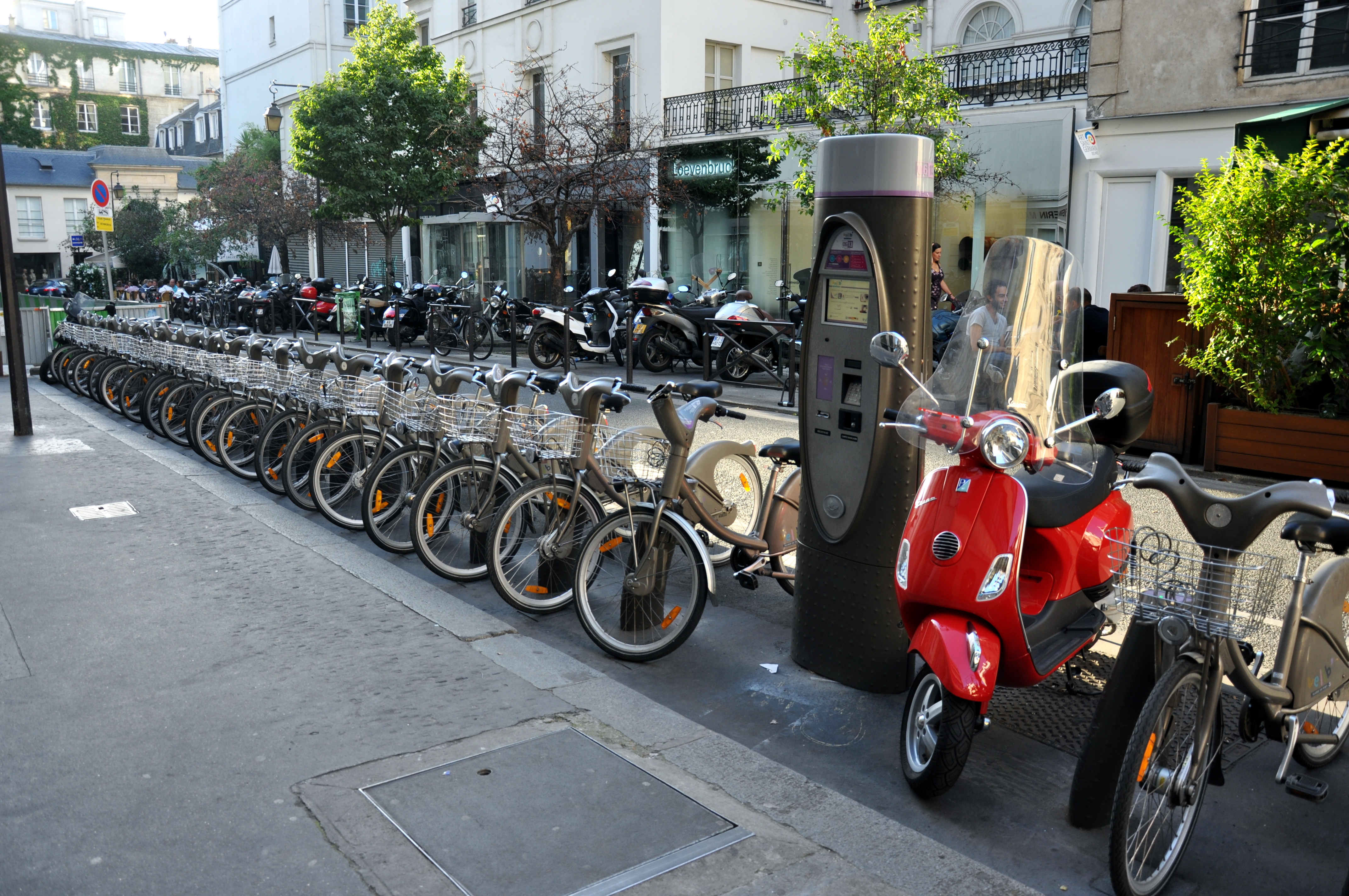
The Structure of Polish Bike-Share
Public bike-sharing in Poland operates on a station-based model. A registered user unlocks a bicycle at a docking station, rides to their destination, and returns the bike to any station within the same network. The key variable between cities is station density: how close together the docking points are determines whether the system works for last-mile commuting or remains an occasional-use novelty.
Polish municipal bike-share contracts are tendered and operated by private operators on behalf of the city. The operator maintains the fleet, manages the software, and handles station installation and relocation. The municipality sets tariff ceilings and coverage requirements. This arrangement means that operator changes — which have happened in several cities over the past decade — can result in temporary service gaps during handover periods.
Veturilo — Warsaw
Veturilo is the largest public bike-share network in Poland. As of April 2026, it operates approximately 360 docking stations and around 5,800 bicycles across Warsaw and several adjacent municipalities including Praga-Południe and parts of the Żoliborz district. The network has been expanded each year since its launch in 2012, with the most recent additions covering outer districts that previously lacked coverage.
The tariff structure is tiered by ride duration. The first 20 minutes of each ride are free for registered users who have purchased a subscription. Beyond 20 minutes, a per-minute charge applies, which increases at 60 minutes to discourage long-duration rentals that reduce fleet availability. Annual subscription prices have been set at PLN 10 for Warsaw residents with registered address — a deliberate pricing decision by the city to promote uptake as an alternative to private car use.
Veturilo bicycles are single-speed with a step-through frame, basket, bell, dynamo lights, and mudguards. A proportion of the fleet consists of electric-assist bikes, available at an additional cost. The e-bikes are identifiable by a distinctive frame colour and are distributed across stations in the city centre and inner-ring districts where gradient terrain is less relevant but speed and range matter for commuting.
Veturilo stations are visible from Google Maps and the operator's own app, both of which show live availability. The app displays real-time dock counts, which matters most in the morning peak when central stations can empty rapidly.
The operator, Nextbike Polska, also manages networks in several other Polish cities under local brand names, meaning the backend rental infrastructure is shared even where the front-end branding differs.
Wavelo — Kraków
Kraków's Wavelo network launched under its current brand in 2020, replacing an earlier iteration called BikeOne. It operates approximately 200 stations and 2,500 bicycles, including a dedicated fleet of e-bikes. The coverage area includes the city centre, most inner residential districts, and select sites in the Nowa Huta area to the east.
Wavelo's pricing follows a similar structure to Veturilo, with a free period (20 minutes for standard subscribers) followed by per-minute charges. Kraków has introduced an integration with the city's public transport card (KMK card), allowing holders to access Wavelo without a separate registration process. This integration, introduced in 2023, has been cited by Kraków's transport authority as having contributed to increased ride numbers in the first year of operation.
One notable characteristic of the Wavelo fleet is the availability of cargo bikes at specific stations near the city's main markets. These are four-wheeled cargo-carrying variants intended for grocery transport, available on the same app with a slightly higher per-ride premium. Station capacity at Wavelo docks tends to be smaller than at Veturilo, with many Kraków stations holding between 10 and 16 bikes rather than the 25–30 common in Warsaw.
WRM — Wrocław Bike
Wrocław's Wrocławski Rower Miejski (WRM) operates around 180 stations and 1,800 bikes across the city. The operator has focused its expansion on connecting the main cycling corridors described in the city's cycling plan, meaning WRM stations tend to be positioned at or near the start and end points of dedicated cycle paths. This makes the system relatively efficient for riders using the off-road network rather than navigating streets independently.
Wrocław has also experimented with floating (free-floating) electric scooters through a separate municipal contract, creating a situation where cyclists can choose between the station-based WRM bikes and dockless scooters for certain journeys. The overlap in user base — primarily commuters aged 20–40 — has generated some internal competition for short-trip demand.
WRM tariffs are structured with a free 20-minute period and then per-minute charges. Annual and monthly passes are available through the Urbancard app, which also handles Wrocław's tram and bus fare payments.
Łódź City Bike — ŁRM
Łódź Rowery Miejskie (ŁRM) is the smallest of the four networks covered here, operating around 120 stations and 1,200 bicycles. Coverage is concentrated in the central districts — Śródmieście, Polesie, and the area around the revitalised Manufaktura complex — with sparser provision in outer neighbourhoods.
The Łódź network has faced repeated disruption from operator changes. A transition in 2022 resulted in a gap of several months during which the system operated with a reduced fleet. The current operator has stabilised service, but station density in the western districts remains lower than users in those areas have requested. The city's cycling advocacy group, Rowerowy Łódź, has documented the gaps in an open-access map that is updated quarterly.
Tariffs follow the Polish standard — free first 20 minutes, then per-minute charges. Łódź does not currently integrate its bike-share with the public transport card, making it a separate registration and payment process.
Practical Considerations for Daily Use
Each of the four networks shares the same fundamental limitation: fleet redistribution. In cities where terrain is flat (Warsaw, Łódź, Wrocław), bikes accumulate at employment centres in the morning and at residential areas in the evening. Operators run redistribution vans — typically overnight and at midday — but this does not fully resolve the imbalance during peak hours.
Users relying on bike-share for a fixed commute should plan alternative options for mornings when a particular station is empty. Most apps allow users to see availability at the nearest three to five stations, making it practical to walk one block to a fuller station before departure.
Bike condition is the other variable. All four networks maintain a fleet replacement schedule, but older bikes in rotation can have stiff gears, worn brake pads, or saddles that have been adjusted and not returned to a neutral position. Inspecting the tyres, brakes, and saddle height before departure takes under a minute and avoids most mechanical surprises mid-route.
For those considering whether a subscription makes financial sense: at standard Warsaw pricing, a user completing ten return trips per month (each leg under 20 minutes) pays PLN 10 per year for what amounts to cost-free transport on those legs. The financial case is unambiguous for regular short-distance commuters. For occasional visitors or infrequent riders, the pay-per-ride option involves no registration commitment and charges by the minute after unlocking.

